Recently
I ran a workshop on functional training for runners. The goal of the workshop
was to teach runners how to use supplementary training to reduce injuries as
well as improve performance. While I felt running technique was important to
both of these issues I didn’t want to talk about running specific drills or how
to coach good running technique.
For
the most part I haven’t coached running technique, although I intend to do more
of it from now on. The problem was that when I first started coaching I didn’t
know enough about coaching running technique, so what I was teaching wasn’t
always correct. When I realized my mistakes I decided to delve a little deeper
into the research and the practices of top coaches. By not coaching running
technique though I was able to learn that it could be improved by other means.
I learned from Athletic Body and Balance by Gray Cook that there are three
tiers to sporting performance: fundamental movement, strength, and skill. It’s
important to work on all of them, but interestingly improving the first two can
have great effects on the third.

Improving
Movement Quality
Most
of what I do for improving running technique has nothing to do with technique
drills or telling my runners, “Do this” or “Don’t do this.” Sometimes, no
matter how much coaching we give a runner they keep running the same way or
revert back to their natural technique when fatigued. If a runner is able to
change her technique is she fighting her natural biomechanics thereby
increasing fatigue and risking injury?
First
what we need to do is ask ourselves, “Why doesn’t our runner run properly?” If
her preconceived notions about how to run are incorrect, then coaching works
well. We need to also ask whether or not she has the mobility to get into the
positions we ask of her. Does she have the stability to control her mobility?
This is where I use Gray Cook’s Functional Movement Screen, which allows me to
look at fundamental movement patterns.
Improving
Strength and Conditioning
Once
we take care of fundamental movement quality a lot of the running technique
flaws may take care of themselves. Concurrently we should look at the runner’s
strength and conditioning. Is the runner strong enough to produce and maintain
good technique? For this I use gym exercises such as variations of squats,
lunges, deadlifts, rows, chin-ups, presses, and Olympic lifts as well as
plyometrics and throws. Then I use hill running to bridge the gap to running.
Coaching
Technique
While
we’re improving movement quality and strength we need to teach the basics of
good running technique. There’s a lot of bad information out there, so spend a
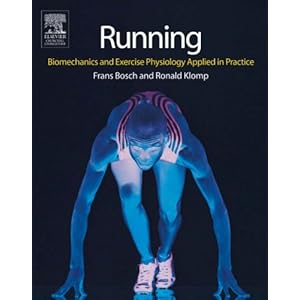
lot of time learning from many sources. Running Biomechanics and Exercise
Physiology Applied in Practice by Bosch and Klomp is a great resource. If
you’re really bold read Human Locomotion by Michaud.
In
summary teaching running technique is great, but it’s important to develop good
movement quality and strength at the same time.
Stay fit,
Jonathan Pratt

No comments:
Post a Comment