Wednesday, 4 June 2014

Measuring Body Composition

I came up with the idea for this piece after a good laugh I had the other day. I recently decided to take up running again and thought it would be great to use my heart rate monitor periodically to track my fitness. The watch required a new battery which meant that all the previous settings were lost. When I entered my height and weight, to my surprise, the watch displayed, “BMI … 25.0 … Overweight.” Apparently well-defined muscles is overweight these days.  

BMI or Body Mass Index is calculated by taking your mass in kg and dividing it by your height in m squared. A BMI of 25.0 is on the edge of normal and overweight. The problem with BMI is that it assumes that everyone that’s heavy is heavy because they’re fat. Well-muscled people also happen to be heavy. BMI is best used to look at populations, but is inappropriate for individuals. If the population has an average BMI of 33, this is a cause for concern as the average individual is obese.


            Similarly, simply weighing yourself is a poor method for measuring changes in body composition. The scale may not have budged, but you could’ve lost several pounds of fat and replaced that with muscle thereby improving your body composition. Conversely, the scale may read a lower number but most of the weight lost came from muscle and water loss.


Dual energy x-ray absorptiometry (DEXA): This is the most accurate method of measuring body composition, but it’s not readily accessible for most.

Hydrostatic underwater weighing: This method is also very accurate, but again it’s not readily accessible for most.

Skinfold measurements: While less accurate than DEXA, it’s more accurate than the scale and it can be done at home. Instead of converting the numbers to a percent body fat it’s better to just look for improvements in each measurement over time as body fat can redistribute itself.

Bioelectrical impedance: The device for measuring this is easy to obtain, but it can be thrown off by fat distribution.  

Waistline measurements: This is a little less accurate than measuring skin folds, but it’s quicker and requires less skill.

Looking in the mirror: While this method is qualitative I still prefer it over the scale. If you look better your body composition has improved.

Clothing fit: If your clothes fit better you’ve lost body fat. If you’re trying to gain muscle your clothes will feel tighter.


If you’re looking to improve body composition focus on more subjective measures such as looking in the mirror and comparing clothing fit. On a weekly basis use skinfold or waistline measurements and only occasionally should you look at the scale.

Stay fit,

Jonathan Pratt

Monday, 5 May 2014

Patellar Tendinopathy (Jumper's Knee)

Last summer I was working with an athlete that had missed some time from his sport due to some knee pain. In order to speed his return to action and prevent further issues he took some time off from his sport and worked on his strength and movement quality.


The knee pain was diagnosed as patellar tendinopathy or jumper’s knee. The patellar tendon runs from the quadriceps muscle group to the knee cap (patella) and into the shin (tibia). When injury is sustained to this tendon pain is felt below the knee cap. The injury is often called patellar tendinitis, however ‘-itis’ refers to inflammation and with the exception of a little inflammation at the beginning the tendon actually degenerates.

Programming

Patellar tendinopathy is an overuse injury, so the first thing that needed to be done was to reduce training for his sport. The exercises that I gave him were really exercises that are a part of any good program with a careful eye on completing them with the absence of pain. 

Foam Rolling

This form of self-massage was done for all the muscles that cross the knee joint: the hamstrings, adductors, calves, glutei maximi and tensor fascia latae (indirectly through the iliotibial band), and in particular the quadriceps. 

Mobility Work

I subscribe to Mike Boyle’s and Gray Cook’s Joint-by-Joint Approach to Training. It’s based on the theory of regional interdependence, which means that dysfunction in one area can lead to injury at a distant location. Indeed, recent research shows that poor shoulder flexion range of motion is associated with low back pain in male high-divers (Narita and colleagues, 2013). In the case of a knee injury it’s important to focus on ankle and hip mobility. Interestingly, this athlete has been treated for reduced mobility in his right big toe which causes that foot to turn out especially while running. 

Isolated Muscle Strengthening

According to Chuter and colleagues (2012) there is an increased risk of leg injury due to core weakness, weakness of the hip abductors and hip external rotators, and poor control of the lumbopelvic hip complex. This is supported by Shirley Sahrmann’s two textbooks which show that just about all knee pain can be treated by strengthening the hip abductors/external rotators as well as the quadriceps.* It was previously determined by both myself and a physiotherapist that this athlete had weak glutei maximi which – when functioning properly – are the strongest hip external rotators.

*Note: Sahrmann warns that quadriceps strengthening could accelerate knee osteoarthritis, so if your client has knee OA please refer them to a physiotherapist for guidance.

Band Resisted Terminal Knee Extension

Band Shuffle

Integrated Strengthening

It’s great to train weak muscles and improve joint mobility, but the body is much more than a bunch of parts. This is where lower body movements such as squatting, lunging, and hip hinging come into play.

I employed the use of the front squat, Romanian deadlift, Bulgarian split squat, single leg squat, and the single leg Romanian deadlift. These muscles strengthen the quadriceps, hamstrings, and glutei. Research shows that patients with patellar tendinopathy benefit from eccentric strengthening of the quadriceps, and stretching of the quadriceps and hamstrings (Dimitrios, 2012). The stretch in the rear leg while performing the Bulgarian split squat is great for training the first two qualities. In addition, a review by Kristensen and Franklyn-Miller (2012) shows that heavy weight training leads to better results than eccentric strength training due to reduced swelling of the tendon as well as increased vascularization and increased collagen turnover. The latter three exercises improve control of the lumbopelvic hip complex (i.e. improve balance through improved hip stability).

Bulgarian Split Squat
I prefer to hold dumbbells at my side.

In order to prevent or recover from patellar tendinopathy it's beneficial to foam roll the muscles of the hip and thigh, stretch the quadriceps and hamstrings, perform single leg strength exercises, and lift heavy weights.

References

Comparing the effects of eccentric training with eccentric training and static stretching exercises in the treatment of patellar tendinopathy. A controlled clinical trial, by Dimitrios, Pantelis, and Kalliopi, 2012.

Critical factors for the prevention of low back pain in elite junior divers by Narita, Kaneoka, Takemura, Sakata, Nomura, and Miyakawa, 2013

Diagnoses and Treatment of Muscle Impairment Syndromes by Shirley Sahrmann, 2002.

Movement by Gray Cook, 2010.

Movement System Impairment Syndromes of the Extremities, Cervical and Thoracic Spines by Shirley Sahrmann, 2011.  

Proximal and distal contributions to lower extremity injury: A review of the literature, by Chuter, Xanne, and de Jonge, 2012.

Resistance training in musculoskeletal rehabilitation: a systematic review by Kristensen and Franklyn-Miller, 2012.

Stay fit,

Jonathan Pratt


Wednesday, 16 April 2014

Recovery from Training

A few weeks ago I had the opportunity to give a talk on recovery and training for speed to a group at Active Running training for the Around the Bay 30km race. ATB is the oldest annual running race in North America having begun in 1894. Here are my thoughts on recovery.

Recovery was a great topic for me to discuss for a couple reasons. Firstly, I had to have a conversation with one of my clients about it only a couple weeks before so the topic was fresh in my mind. Secondly, recovery is something that I ignored for most of high school much to my detriment. While I was in great shape I often performed poorly because fatigue masks fitness.

Shortly before I entered my final season of high school XC my mom found me a used copy of Lore of Running 3rd edition by Dr. Timothy Noakes (it’s now in its 4th Ed.). What a great find! After reading the same information month after month in magazines I was beginning to think I knew everything there was to know about running. However, LOR had 800+ pages on the science of running and great anecdotes too.


What really stood out to me was the part on overtraining. This was a term I had never heard of until then. I always thought the harder the training the better. But as I looked over the list of symptoms and discovered that I had experienced most of them I knew things had to change. But, rather than continue on with how to spot overtraining – which is a poorly defined term – I’d like to discuss how to maximize recovery.

In order to maximize recovery one needs to think about recovery on a daily, weekly, monthly, yearly, and even a multi-year basis. All of these are useful for recovering both physical and psychological qualities. Training hard is important, but all your gains occur while you’re recovering.

If you’re one of the fittest people on the planet then you’ll focus your training on the Olympic Games and have years where you’re training harder and with more specific training versus other years training relatively easier and focussing on more general physical qualities. Most of us aren’t ever going to be at that level, so we can step back to thinking about yearly recovery. Yearly recovery involves taking one or two 2-4 week blocks during the year where training is reduced or eliminated or one engages in other fitness modalities. Something like this isn’t necessary for the general fitness enthusiast, but is a must for a competitive athlete. On a monthly basis recovery can take the form of an unloading week every 3-6 weeks where the volume and/or intensity is reduced. Not all my general fitness clients train hard enough to need these, but they’re great for working on exercise technique.

The most detailed part of the talk involved weekly and daily recovery. Weekly recovery involves harder and easier training days as well as complete rest days or even switching to a different activity. What we want to be aware of is providing balance to the autonomic nervous system. For those of us who enjoy training for the endurance sports we need to perform some high intensity activities that stimulate the sympathetic nervous system. These activities are also great for stimulating growth hormone and testosterone production while minimizing cortisol production thus improving or maintaining body composition and aiding in recovery. For those who enjoy speed and power sports you need to perform some low intensity activities that stimulate the parasympathetic nervous system. 

Daily recovery involves focussing on nutrition, sleep, and relaxation. When we work out exercise causes breakdown on muscle tissue and temporarily decreases fitness. It's during the recovery period where all the results occur.


For nutrition focus on eating whole foods such as fruit, vegetables, and lean protein and drink plenty of water. While older sources have deemed it a must to eat a meal within 15-60 min after exercise recent research is beginning to show that good nutrition over a 24 hour period is much more important. So, if you ate a large meal a couple hours before your workout or competition and you don’t feel hungry right after you don’t have to worry about getting in an immediate recovery meal. On the other hand, if you ate well before your workout/competition or you have multiple workouts/competitions that day eating a meal immediately after would be a wise decision.

Sleep is also very important. Most often 8 hours of sleep a night is recommended, but some may need more or less. It’s important to experiment. While sleeping the body moves in and out of light and deep sleep (REM) with each cycle lasting approximately 90 min. Waking up in the middle of a cycle leaves one feeling terrible even if the total length of sleep was fairly long. One of my runners recently mentioned that he had been going to bed 30 min earlier, but it had made him feel worse. Play around with sleep lengths to find the optimal length of sleep. Naps are also great! Usually sleeping for 10-20 min will leave you feeling rested, whereas 30-45min might leave you feeling terrible. Also, to aid in getting to sleep quickly it’s beneficial to turn off all electronics 30-60 min before bed. The blue light from television and computer screens stimulates wakefulness due to its effect on the pineal gland. I’ve downloaded F.lux onto my computer, which reduces the amount of blue light my computer emits at night.

Other recovery modalities that you may find useful are ice baths, massage, foam rolling, and the use of compression wear. A study from a couple years ago also showed that focussing on diaphragmatic breathing for 45 min after exercise increased the hormone melatonin, which is often taken by individuals as a sleep aid. My favourite recovery modality is foam rolling, which has been shown to decrease delayed onset muscle soreness (DOMS).

In conclusion, recovery can be enhanced through eating whole foods, getting lots of sleep, massage/foam rolling, taking ice baths, wearing compression wear, and taking recovery periods. Good recovery is necessary for maximizing performance.

Stay fit,

Jonathan Pratt


Wednesday, 5 March 2014

Indirectly Improving Running Technique

Recently I ran a workshop on functional training for runners. The goal of the workshop was to teach runners how to use supplementary training to reduce injuries as well as improve performance. While I felt running technique was important to both of these issues I didn’t want to talk about running specific drills or how to coach good running technique.

For the most part I haven’t coached running technique, although I intend to do more of it from now on. The problem was that when I first started coaching I didn’t know enough about coaching running technique, so what I was teaching wasn’t always correct. When I realized my mistakes I decided to delve a little deeper into the research and the practices of top coaches. By not coaching running technique though I was able to learn that it could be improved by other means. I learned from Athletic Body and Balance by Gray Cook that there are three tiers to sporting performance: fundamental movement, strength, and skill. It’s important to work on all of them, but interestingly improving the first two can have great effects on the third. 
Improving Movement Quality

Most of what I do for improving running technique has nothing to do with technique drills or telling my runners, “Do this” or “Don’t do this.” Sometimes, no matter how much coaching we give a runner they keep running the same way or revert back to their natural technique when fatigued. If a runner is able to change her technique is she fighting her natural biomechanics thereby increasing fatigue and risking injury?

First what we need to do is ask ourselves, “Why doesn’t our runner run properly?” If her preconceived notions about how to run are incorrect, then coaching works well. We need to also ask whether or not she has the mobility to get into the positions we ask of her. Does she have the stability to control her mobility? This is where I use Gray Cook’s Functional Movement Screen, which allows me to look at fundamental movement patterns.

Improving Strength and Conditioning

Once we take care of fundamental movement quality a lot of the running technique flaws may take care of themselves. Concurrently we should look at the runner’s strength and conditioning. Is the runner strong enough to produce and maintain good technique? For this I use gym exercises such as variations of squats, lunges, deadlifts, rows, chin-ups, presses, and Olympic lifts as well as plyometrics and throws. Then I use hill running to bridge the gap to running.

Coaching Technique

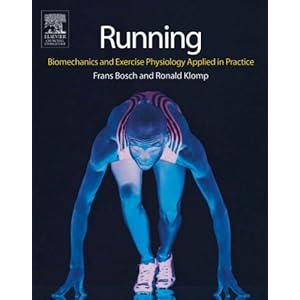
While we’re improving movement quality and strength we need to teach the basics of good running technique. There’s a lot of bad information out there, so spend a lot of time learning from many sources. Running Biomechanics and Exercise Physiology Applied in Practice by Bosch and Klomp is a great resource. If you’re really bold read Human Locomotion by Michaud.


In summary teaching running technique is great, but it’s important to develop good movement quality and strength at the same time. 

Stay fit,

Jonathan Pratt

Sunday, 2 February 2014

Fun with Trigger Points Part 1: Leg Numbness

According to Travell and Simons a trigger point is “a highly irritable localized spot of exquisite tenderness in a nodule in a palpable taut band of muscle tissue.” Often referred to as knots, they can range in size from the size of a pinhead to the size of a pea according to Clair Davies in The Trigger Point Therapy Workbook. If your fingers are sensitive enough you can feel them, which is something I have a poor ability to do unfortunately. Trigger points have a distinctive pain referral pattern either locally or more distant. In the case of a latent trigger point you don’t know you have a problem until the trigger point is pressed. According to Davies, trigger points are caused by overuse of a muscle, trauma, postural stress, and poor work habits.

I highly suggest that everyone purchases and reads Davies’ book. Not only does it show where trigger points are located and their pain referral patterns, but it also tells you the activities that commonly cause trigger points to individual muscles. Triggerpoints.net is also a great resource.

Symptoms

By far the worst trigger point I’ve ever suffered from was in the gluteus minimus. Most of the time I didn’t feel anything, but after long car rides I would sometimes feel pain and numbness down the side of my right leg with the worst symptoms occurring in my shin.


Treatment

After many years of this I learned about trigger points and was able to treat this. When I started my massage I had no symptoms, so things got bad for a few days. For the most part I’m fine now, but occasionally it comes back during rapid stretch of this muscle. For exercise I perform more hip external rotation exercises such as clam shells on the right side to strengthen this muscle. In addition, I foam roll my gluteus medius regularly. Activities to that could aggravate my symptoms would be rotational sports such as golf, tennis, and hockey.

Stay fit,

Jonathan Pratt


Sunday, 26 January 2014

Functional Training Workshop for Runners

I'm excited to announce that in a few weeks I'll be delivering a workshop at my gym on using supplemental exercise to improve performance and reduce the risk of injuries for runners.


Description: Jonathan Pratt has been a running coach for 10 years at West Ferris and has been running for 16 years. This workshop will focus on using supplementary exercise to reduce the risk of injury and improve health and performance. Topics include …
Foam Rolling and Trigger Points
            Mobility of the Ankles, Hips, and Thoracic Spine
            Stability of the Core and Hips
            Using Strength to Improve Performance
            Providing Balance to the Autonomic Nervous System
            Bodyweight and Free Weight Exercises

Location: Pratt’s Pro Fitness at 2689 Trout Lake Road at Inside Out Chiropractic. The entrance is behind Nipissing Windows and Siding.

Dates: Saturday February 8 and February 15

Time: 2:30-4PM

Cost: $10/person


Registration: Please register through email to jp.ppf@hotmail.com. Due to space constraints a maximum of 10 people will be able to attend at any one time, so book early. 

Stay fit,

Joanthan Pratt

Sunday, 19 January 2014

Greater Strength Equals Greater Function … Sometimes

Training for strength is a fantastic endeavour for everyone regardless of their health and fitness goals. Strength training enhances one’s ability to perform activities of daily living, improves body composition, and improves athletic qualities such as speed, agility, and jumping ability.

However, I was recently reminded that being strong doesn’t always carry over to improved movement quality. Watch from a minute onward as 76-year old Roy Mason deadlifts 529 lbs! While I wish I could lift that kind of weight I’d rather be able to move freely than have to shuffle along. I should also add that one can have a high degree of cardiovascular fitness and move poorly as well.


When I train myself or my clients developing strength is important as well as developing quality movement. Everyone can improve their movement quality even high level athletes. We start by foam rolling to improve muscle tissue quality. This temporarily improves muscle extensibility. Next we perform mobility work for the ankles, hips, and thoracic spine as well as stability work for the hips, lumbar spine, and scapular region. Following this isolated work we then work on integrating these exercises into basic movements such as squatting and lunging. That’s 15min out of a 60min session just for improving movement quality.

I measure movement quality through the Functional Movement Screen.

Now it’s time for developing qualities such as strength, power, and hypertrophy. But, this doesn’t mean that we’re not improving movement quality. Movements such as squatting, deadlifting, lunging, pushing, and pulling as emphasised instead of focusing on isolated muscles. In addition, as one recovers from performing a taxing movement such as a deadlift she works on improving movement quality with an easier exercise such as those from the warm-up.

The deep squat: A movement that most people lose over time.

Strength training is important for improving health and fitness, but basic movement quality must be addressed too. Fortunately, it’s easy to develop both without sacrificing one or the other. 

Stay fit,

Jonathan Pratt